
EOS promises a fast, fee-less platform for decentralized applications via the blockchain, but it needs a great deal of participation from token holders to be a success. As a more centralized project in which twenty-one voted-in supernodes confirm transactions, voting is key to keeping block producers accountable and successful in supporting the large volume expected to roll out on EOS.
“As we move toward an open-source society, what will distinguish ourselves from one another will be our politics and our systems of governance. In EOS, there are three factions of governance: the Block Producer, Arbitration, and the Token Holder. The Block Producer must abide by the other two or else be removed from their position. Incentives are aligned between all groups to always be increasing the value of the network,” says Kevin Rose of EOS New York, which is running as a Block Production candidate.
The move to Delegated Proof of Stake with a relatively small number of twenty-one block producers is a radical departure from how other blockchains, like Ethereum, function. Voting for these supernodes begins on June 2. Anyone holding EOS tokens can cast a vote on who will validate transactions, and this is causing a heated debate.
For EOS to launch successfully, voters need to make educated decisions on block producers. Beforehand, they have the jobs of registering their tokens, researching block producers, and, finally, staking their tokens for a three-day period in order to vote. Understandably, for many casual investors, this is a lot to ask, but it’s critical to the platform’s long-term vitality.
Voting: The Harbinger of EOS’s Success

More in Featured
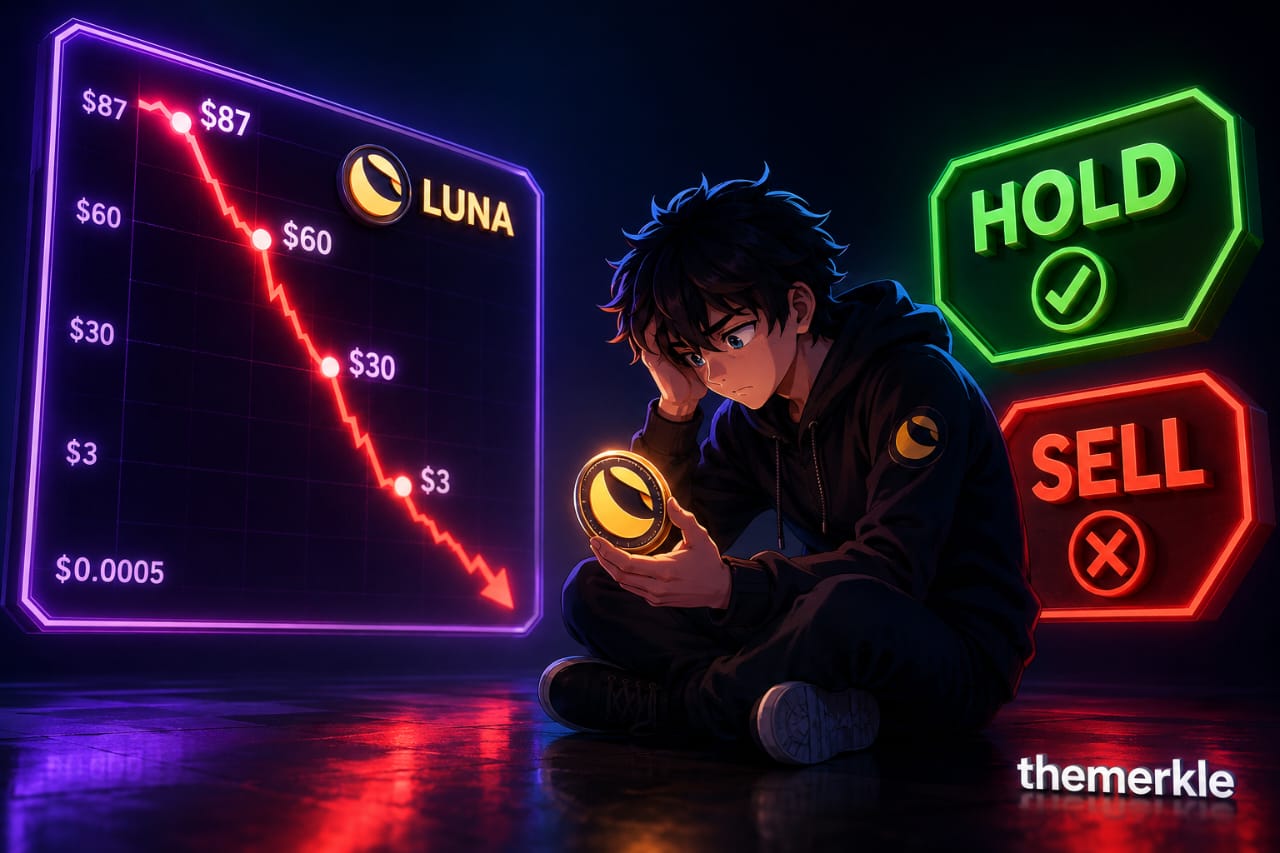
The Psychology Of Holding A Token To Zero Instead Of Selling At A Loss
I bought LUNA at $87. I still have the confirmation screenshot somewhere, buried in a folder I haven't opened in years because I already know what's in it. What I want to walk through here isn't really about that trade, though.It's about the six days that followed it, and why, even as the number kept falling, kept falling, kept falling, I didn't sell. Not at…
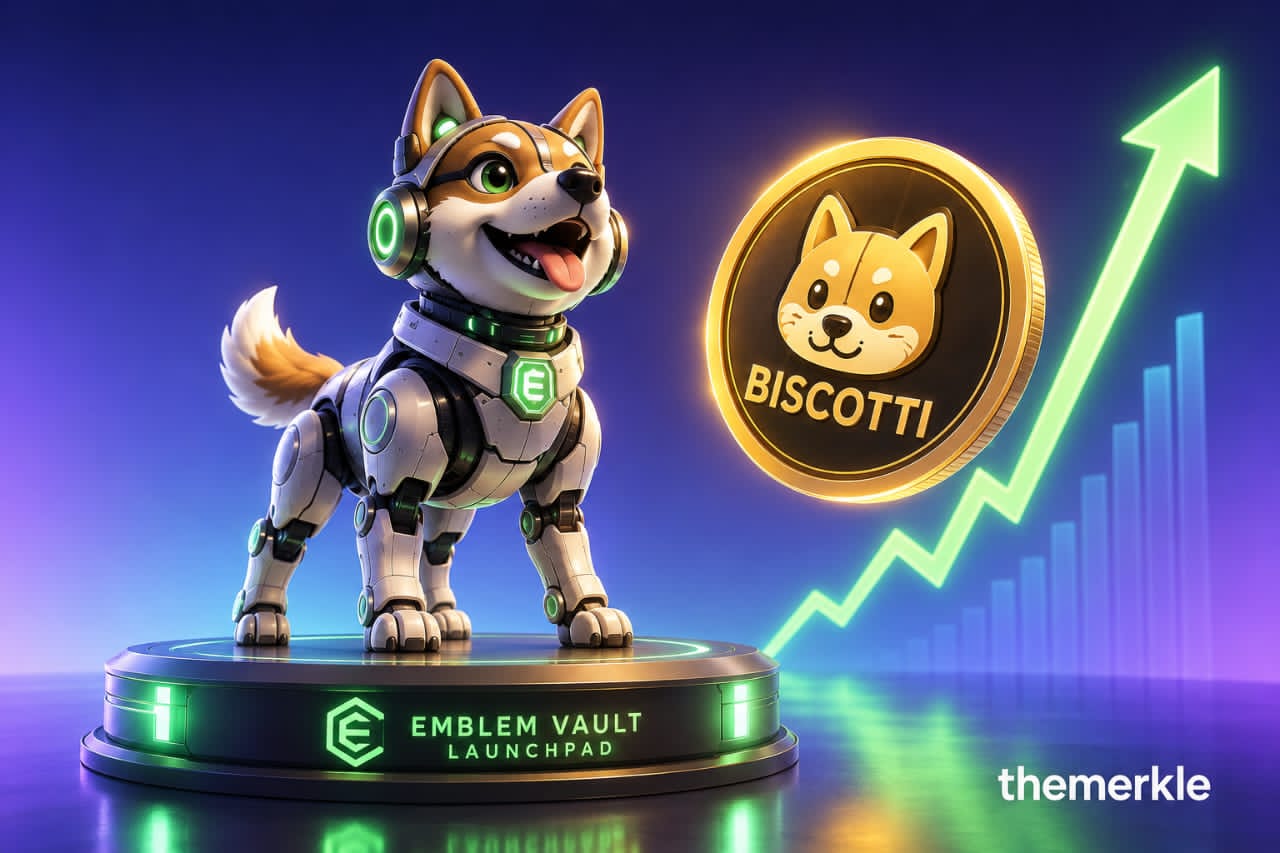
Biscotti Hits 5,760 Holders In Hours As Emblem Vault Debuts Its Robinhood Chain Launchpad
Biscotti didn't get the chance to launch quietly and hope someone notices. It launched loudly, on a brand-new platform, tied to a physical robot dog, and rocketed to a $15 million market cap before most of the crypto world had even finished reading the announcement tweet. What makes this one worth paying attention to isn't just the speed of the pump or the i…

Why Do Smart People Keep Falling For Fake Livestream Crypto Scams?
I used to think of "falling for a scam" as something that happened to other people, the unwary, the unfamiliar, the digitally naive. Then I started digging into who actually loses money to deepfake crypto livestreams, and that assumption fell apart fast. Engineers. Finance professionals. People who could explain blockchain mechanics in their sleep.The uncomf…

CHUMP Price Prediction: The 6-Month Bull Case Scenario
$CHUMP has moved fast for a token still just weeks old, and the structure underneath it is unusually clean for something moving this fast.This isn't a token with a whitepaper full of promises about future utility. What Chump Coin actually is: a Robinhood Chain memecoin dressed up as a fictional presidential administration, complete with "Executive Orders," a…